
How to Develop Your Pieces Without Memorizing an Opening
Opening development becomes much easier when you stop treating the first moves as a sequence that must be remembered exactly. Instead of asking which move belongs to a named opening, look at what your pieces need. Knights and bishops begin the game with limited activity, the king is exposed in the center, and the rooks cannot work together. Good early moves usually solve one of these problems while also paying attention to the opponent’s threats.
Knights often have the clearest developing squares because they can jump over pawns. Moving a knight toward the center usually gives it access to more squares than placing it near the edge of the board. Bishops need open diagonals, so a pawn move may be useful because it releases a bishop as well as claims space. The important question is not whether a move matches a memorized line, but whether it improves a piece without creating an unnecessary weakness.
It is easy to lose time by moving the same piece repeatedly. An early queen move is a typical example. The queen may attack a pawn or create a quick threat, but if the opponent develops a knight or bishop while chasing it, the queen has to move again. One side is spending several turns repositioning the same piece while the other side brings new pieces into play. That difference in tempo can leave the king in the center and the rooks disconnected even when no material has been lost.
King safety is part of development rather than a separate task for later. Castling usually moves the king away from the center and activates a rook at the same time, but it only becomes possible after the pieces between the king and rook have moved. This creates a natural connection between developing knights and bishops, controlling useful central squares, and preparing to castle. You do not need to rush castling in every position, but you should notice when repeated pawn moves or unnecessary queen adventures are delaying it.
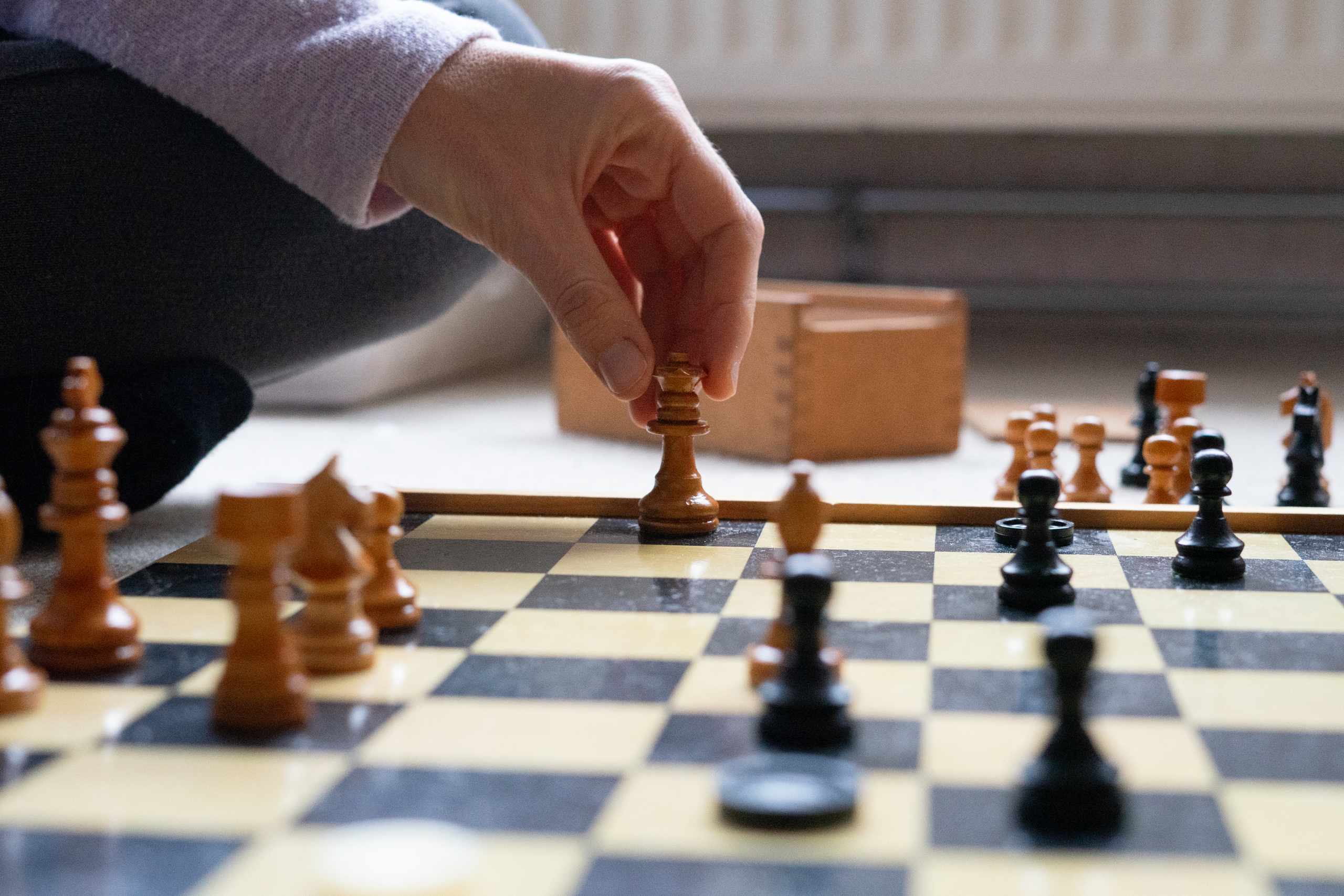
To practice this without memorizing openings, set up the starting position and play only the first several moves for both sides. After each move, pause and identify which pieces are developed, which pieces still have no useful role, whether the center is being contested, and whether either king can castle soon. Restart the position and try a different sequence. The exact move order can change, but the same questions should remain useful. This exercise teaches you to recognize the purpose behind opening moves rather than remember them as isolated instructions.
During your next games, use one practical restriction: before moving a piece for the second time in the opening, look at every piece that has not moved yet. Sometimes the second move is completely justified because there is a threat, capture, or tactical opportunity. If there is no urgent reason, however, developing a new knight or bishop may improve the whole position more than polishing one already active piece. That small comparison can keep your opening organized even when the moves on the board are unfamiliar.